Project: Implementing Scalable Google Ads Conversion Tracking for Bokun.io via GTM
Bókun.io is an all-in-one booking management platform designed specifically for tour, activity, and experience providers. As part of the TripAdvisor family, it offers tools to manage operations and connect with a global distribution network
The Challenge:
Many bokun.io Widget users are having issues with accurate conversion tracking for Google Ads Conversions. Without accurate conversion tracking, they couldn’t determine which keywords and ads were driving actual bookings and revenue, leading to inefficient ad spend and missed growth opportunities.
The Solution:
I designed and deployed a comprehensive conversion tracking setup using Google Tag Manager as the central hub. This involved:
-
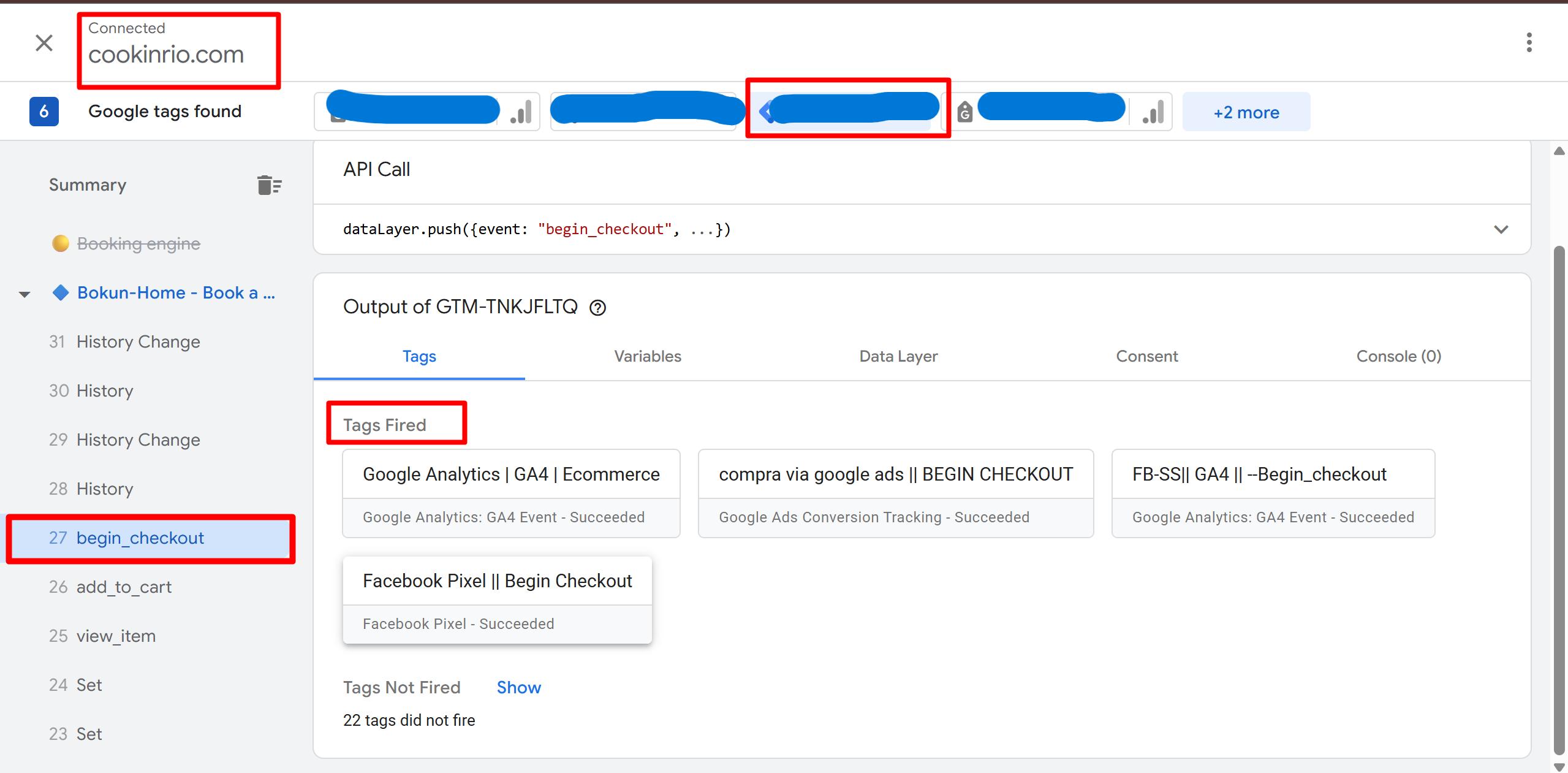
Mapping the User Journey: Identifying all key conversion points, including ” Purchase event when Booking Completed,” “Begin_checkout,” and “Add to Cart.”
-
Data Layer Implementation: Working with developers to push structured event data (e.g.,
event: 'Purchase', value: 250, currency: 'USD') into the data layer on crucial user interactions. -
GTM Container Configuration: Creating custom tags, triggers, and variables in GTM to listen for these data layer events.
-
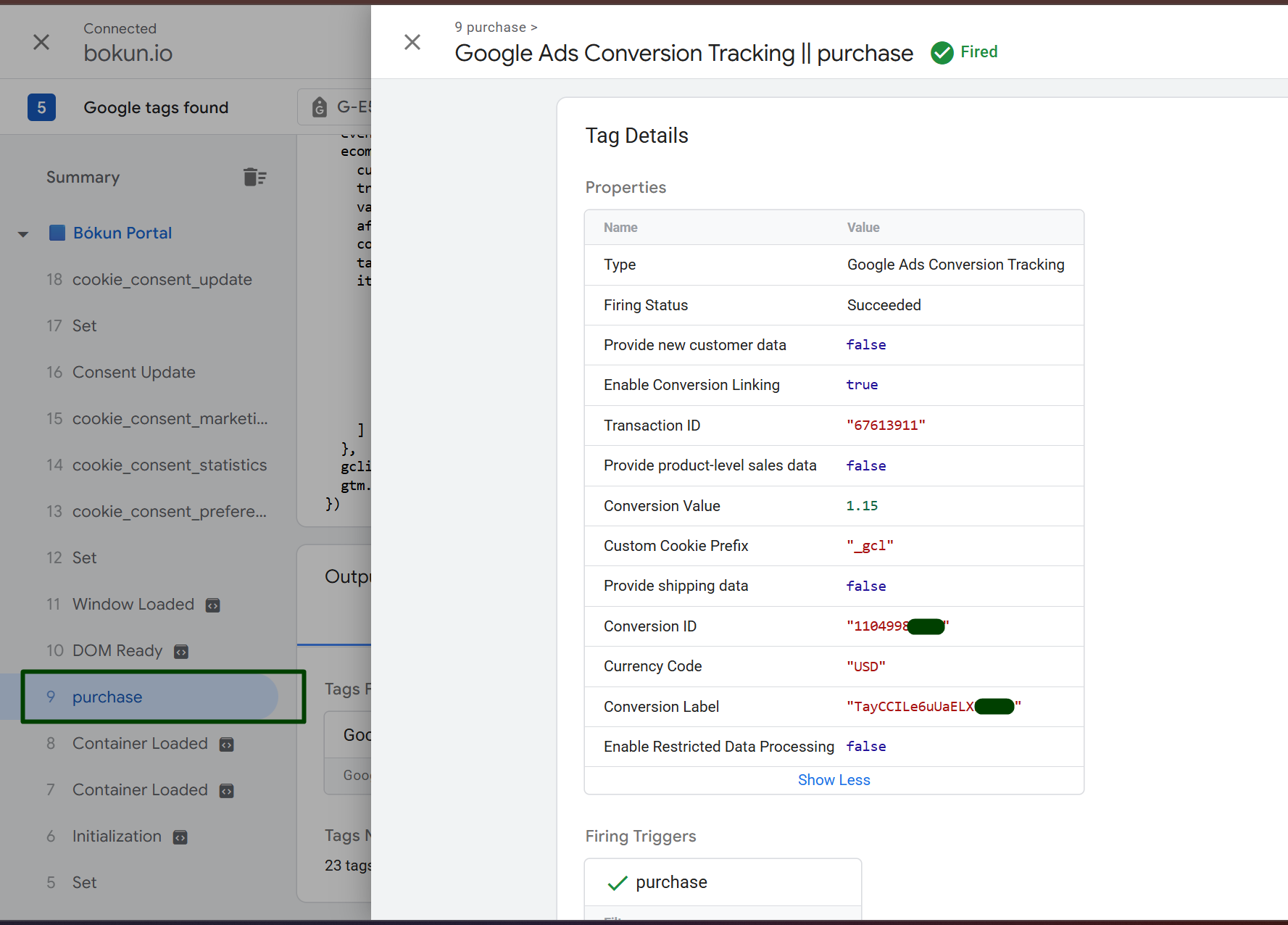
Google Ads Tag Firing: Configuring Google Ads Conversion Tracking and Enhanced Conversion tags to fire precisely when a valuable user action is completed.
-
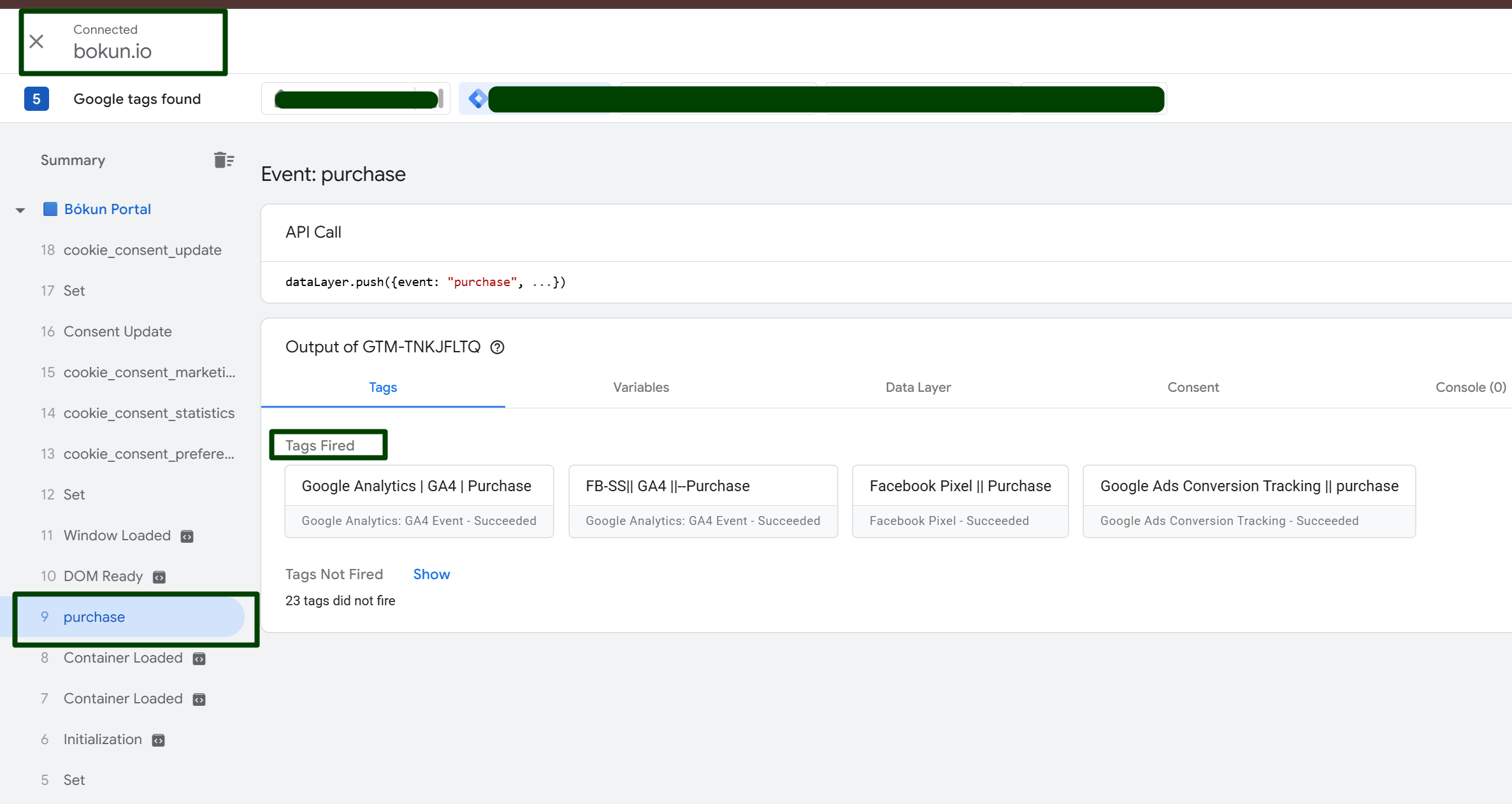
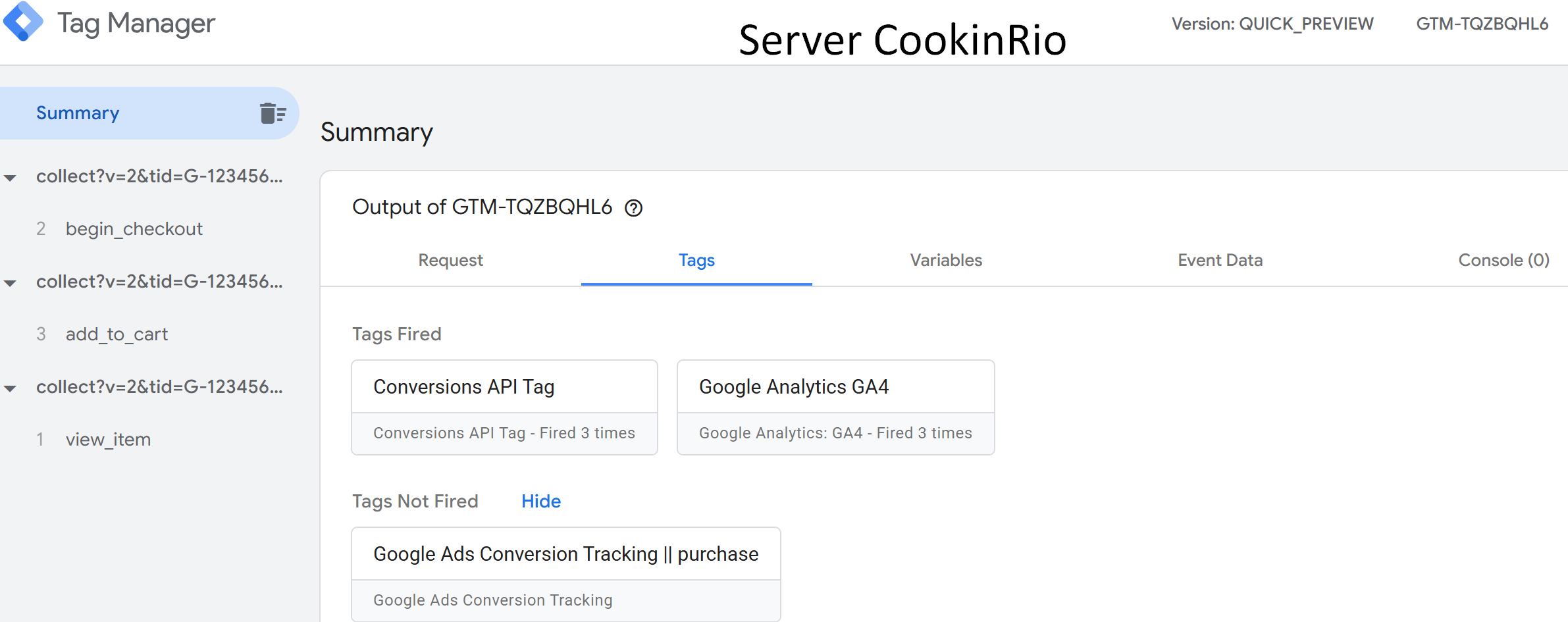
Testing & Validation: Rigorously testing the implementation using GTM Preview mode and Google Ads’ Conversion Diagnostics to ensure 100% data accuracy.
The Outcome:
The implementation transformed the marketing team’s ability to make data-driven decisions:
-
Accurate ROI Measurement: Clear visibility into which campaigns directly generated revenue.
-
Optimized Ad Spend: The ability to pause underperforming ads and allocate budget to high-converting keywords.
-
Improved Lead Quality: Enhanced tracking provided insights into which ad copies attracted the most valuable customers.
-
Scalable Framework: The GTM-based setup allowed for easy addition of new tracking tags in the future without constant developer involvement.
Technologies Used: Google Tag Manager, Google Ads, Google Analytics 4, JavaScript, Data Layer, HTML/CSS (for trigger inspection)